

Laversab · Aviation
Aircraft Air Data Unit Calibration
Air data unit (ADU) calibration verifies that an aircraft's air data computer accurately measures pitot airspeed and barometric altitude. The steps below outline how to test and calibrate an ADU using a Laversab Pitot-Static Tester and the appropriate aircraft adapters.
01 / 06
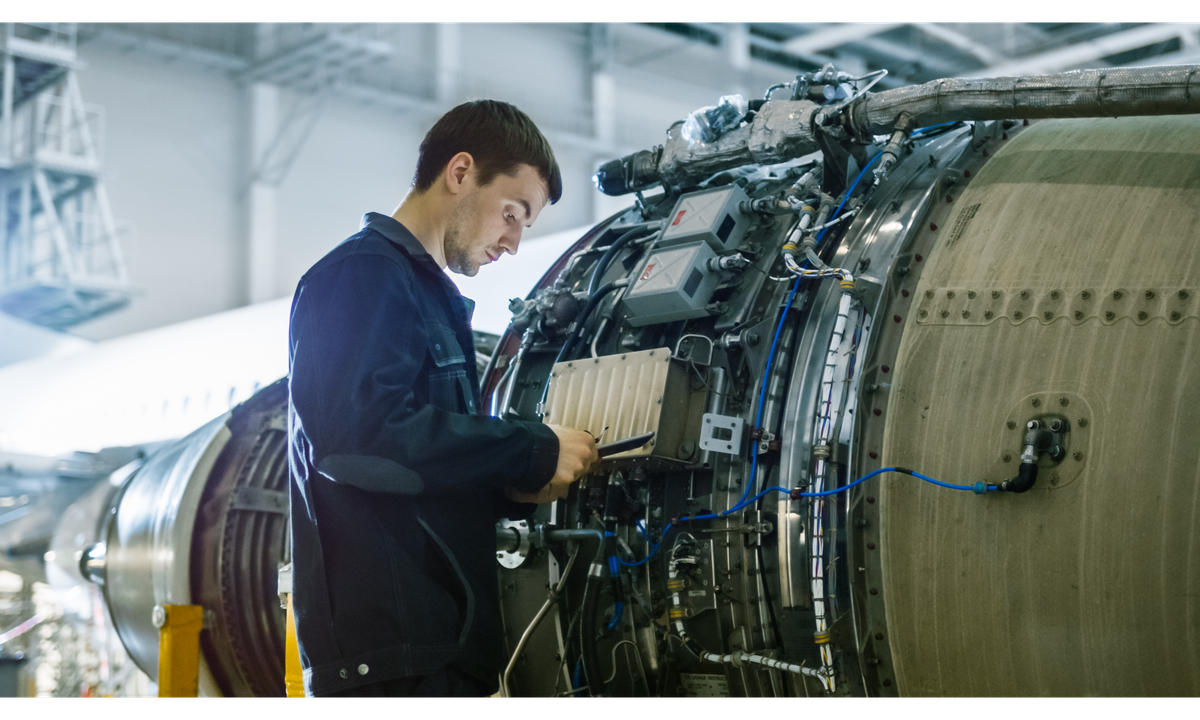
Diagnosis and Inspection:
- The faulty ADU is removed from the aircraft.
- Technicians inspect the unit for visible damage, loose connections, or signs of wear.
- They check the internal components, such as sensors, circuit boards, and wiring.
02 / 06
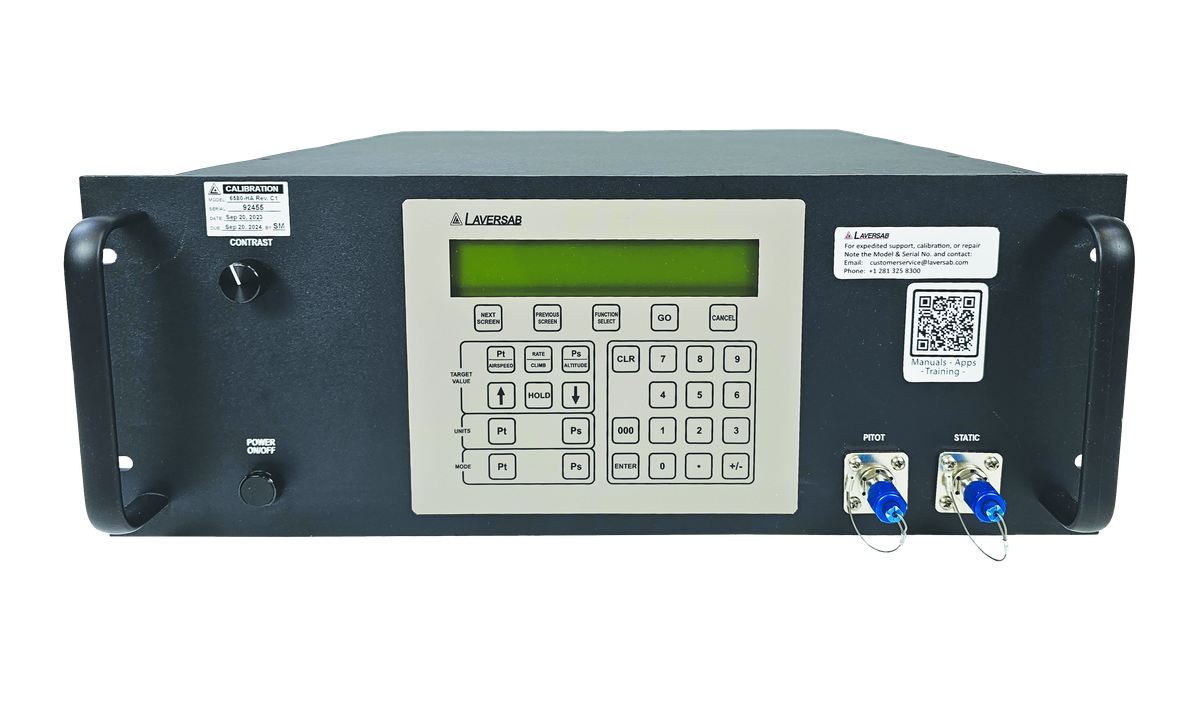
Calculating Airspeed:
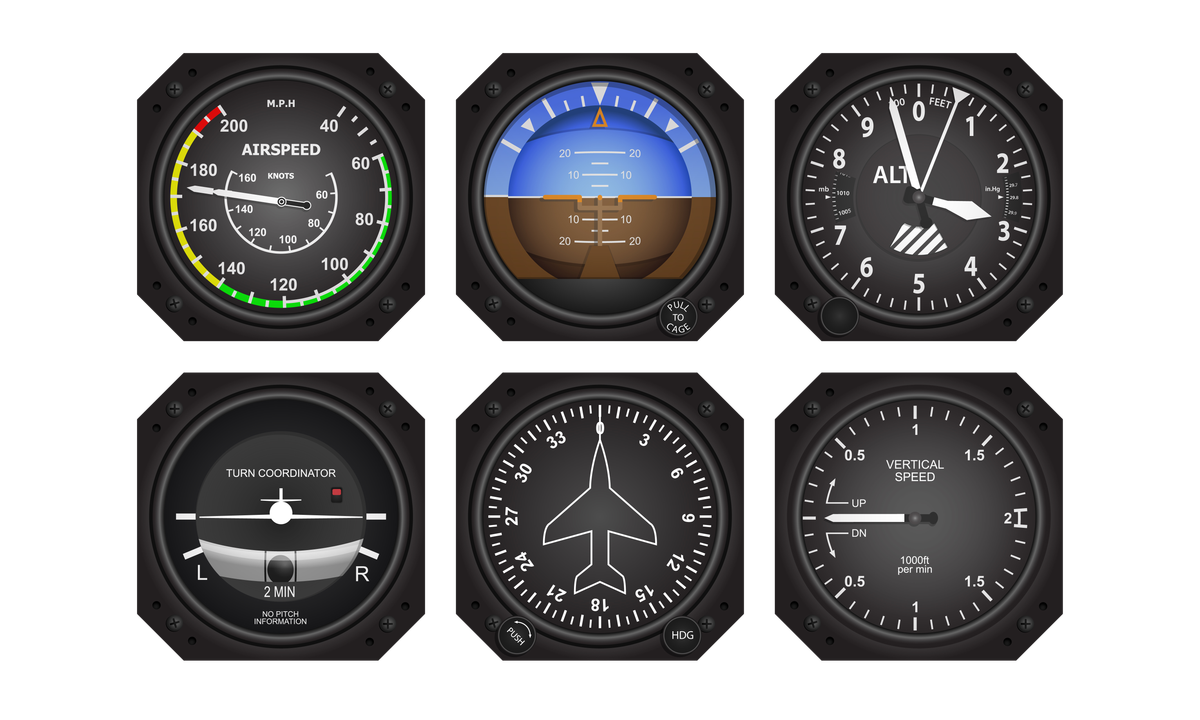
- The difference between dynamic pressure from the pitot tube and static pressure from the static ports is the pitot-static pressure differential.
- This differential pressure is used to calculate the aircraft’s airspeed.
- The airspeed indicator in the cockpit displays this calculated value.
03 / 06
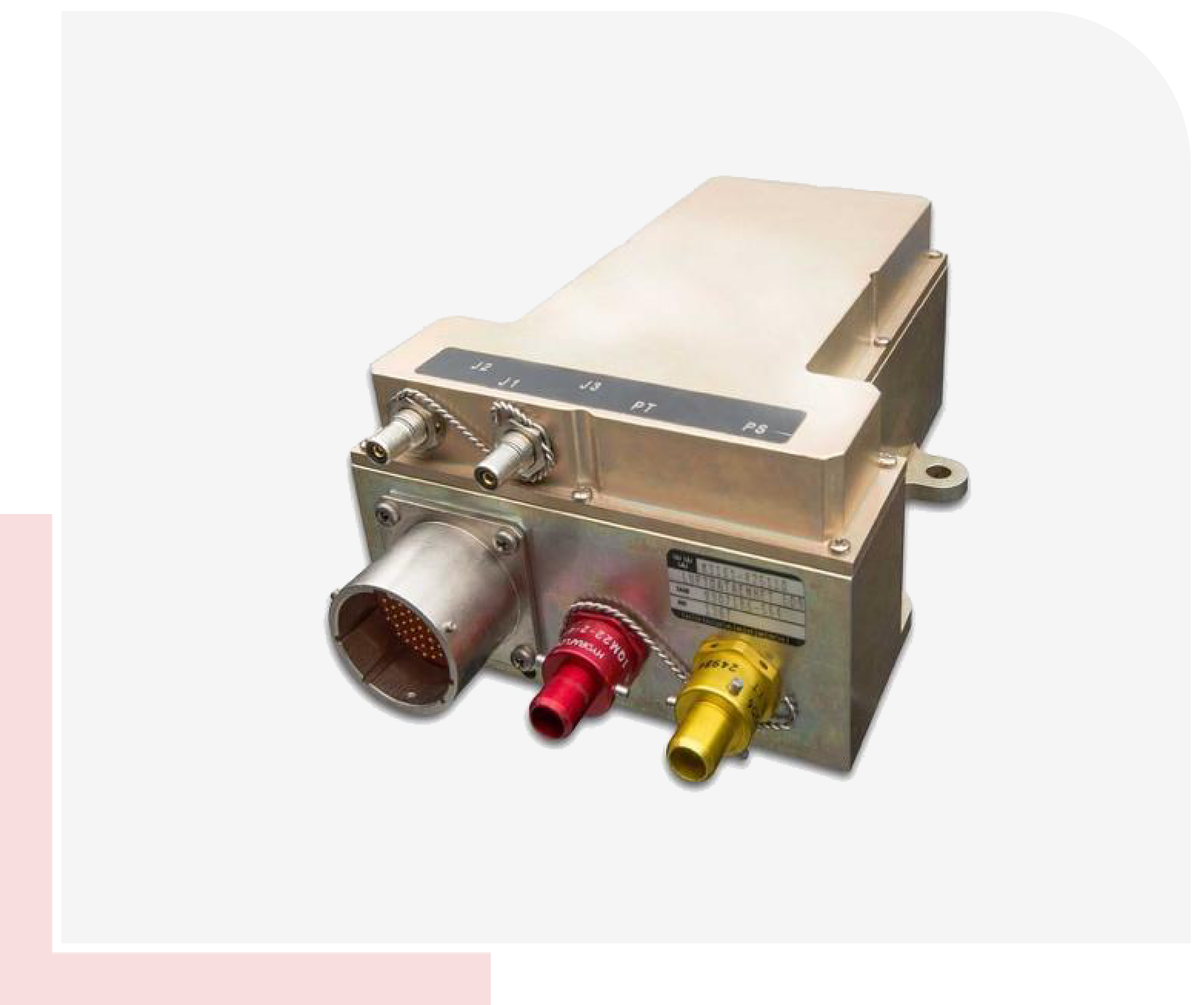
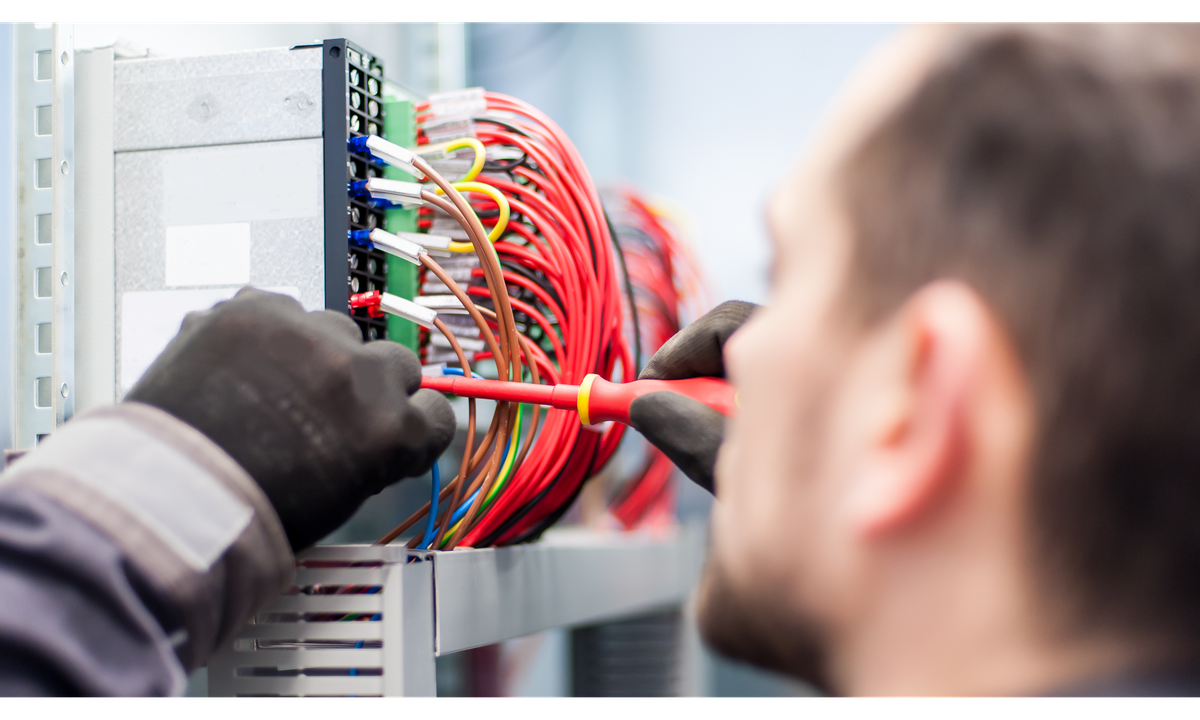
Component Replacement:
- Defective sensors, transducers, or electronic components are replaced.
- Damaged wiring or connectors are repaired or replaced.
- If necessary, the ADU’s memory or firmware may be updated.
04 / 06
Sealing and Enclosure:
- The repaired ADU is sealed to protect it from moisture, dust, and other environmental factors.
- Proper sealing ensures long-term reliability.
05 / 06
Functional Testing:
- The ADU is reinstalled in the aircraft.
- Technicians perform ground tests to verify that it operates correctly.
- Airspeed and altitude readings are cross-checked with other instruments.
06 / 06
Documentation and Certification:
- Detailed records are kept, documenting the repair process.
- The ADU is certified as airworthy before returning to service.
Remember that ADUs are crucial for flight safety, and their repair must adhere to strict standards and guidelines.
YOU MAY
ALSO LIKE.
Air Data Calibrator
Model 6500
Air Data Calibrator requiring pressure & vacuum sources (2 channel)
View product →Air Data Calibrator
Model 6580-HA
High Accuracy Air Data Calibrator with built-in pumps (2 channel)
View product →Air Data Calibrator
Model 6580
Air Data Calibrator with built-in pumps (2 channel)
View product →