

Laversab · Aviation
Aircraft Pitot-Static Leak Checks
Leak checking an aircraft’s pitot-static system helps verify system integrity and maintain accurate airspeed and altitude indications. The steps below outline how to perform an aircraft pitot-static leak check using a Laversab Pitot-Static Tester and the appropriate aircraft adapters:
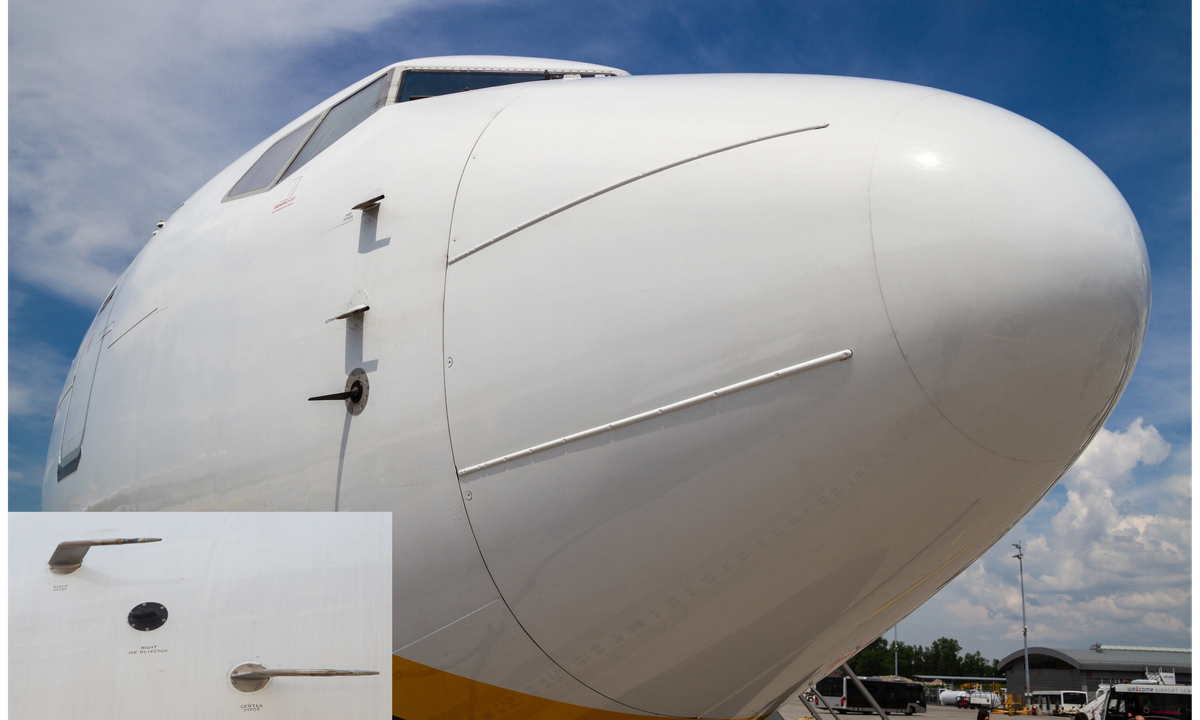
01 / 06
Visual Inspection:
- Examine the pitot tube, static ports, and associated tubing for any visible damage, cracks, or loose fittings.
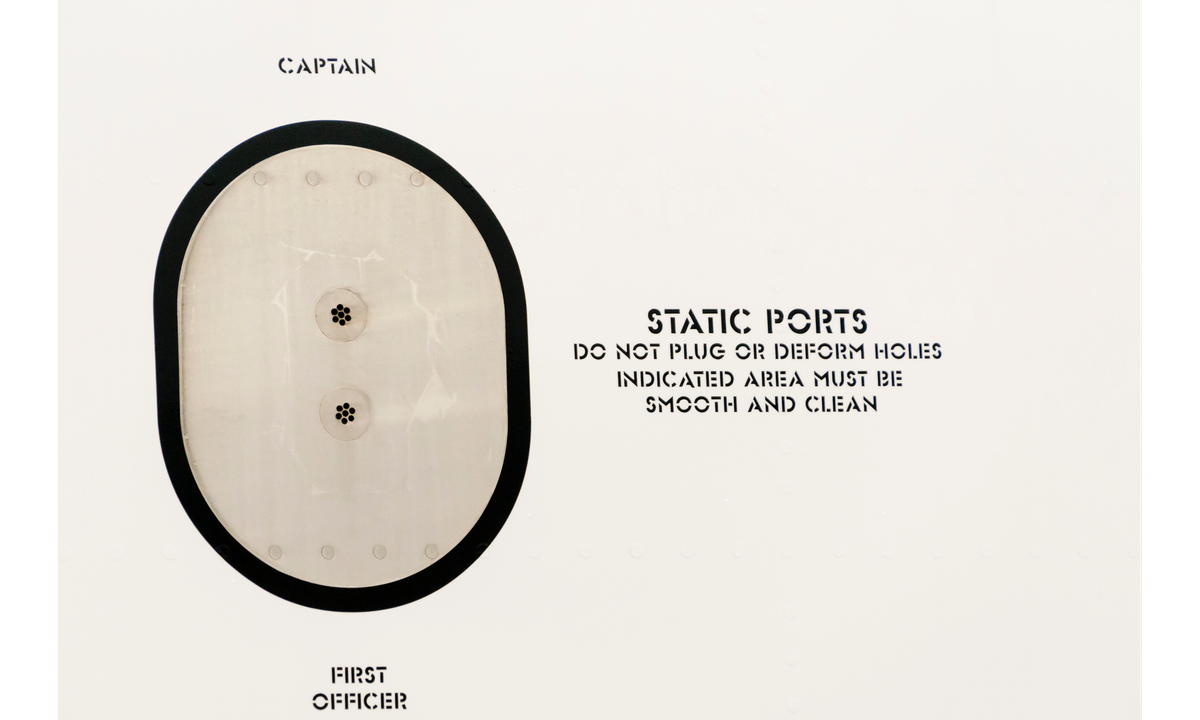
02 / 06
Visual Inspection:
- Ensure that the pitot tube is unobstructed (free from dirt, insects, or ice) and that the drain hole is clear.
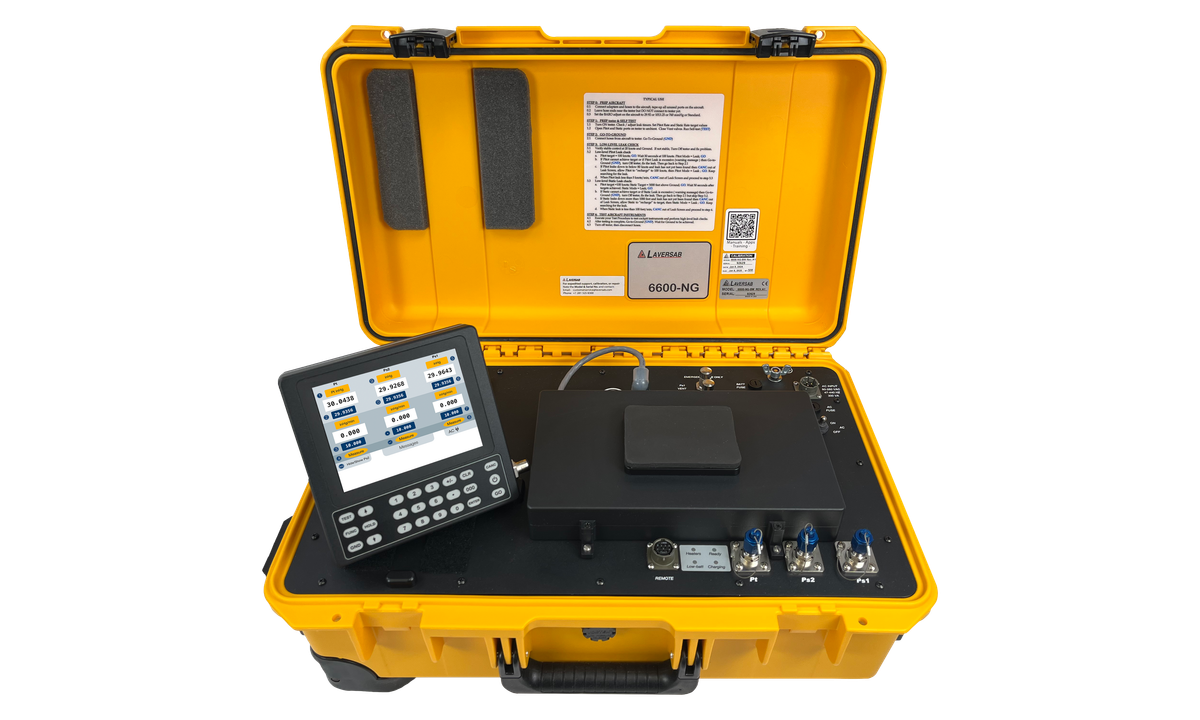
03 / 06
Pressurization Method:
- Connect a Laversab pitot-static tester to the aircraft pitot tubes and static ports through appropriate adapters.
- Apply the required test pressure in accordance with the applicable aircraft maintenance procedure.
- Monitor the airspeed indicator (ASI) for any sudden changes or deviations.
- Hold the pressure for about a minute and observe if there’s any drop in indicated airspeed or altitude. This can be performed using the 'Leak' mode on the Laversab Pitot-Static Tester.
- Slowly release the pressure to avoid damaging the ASI.
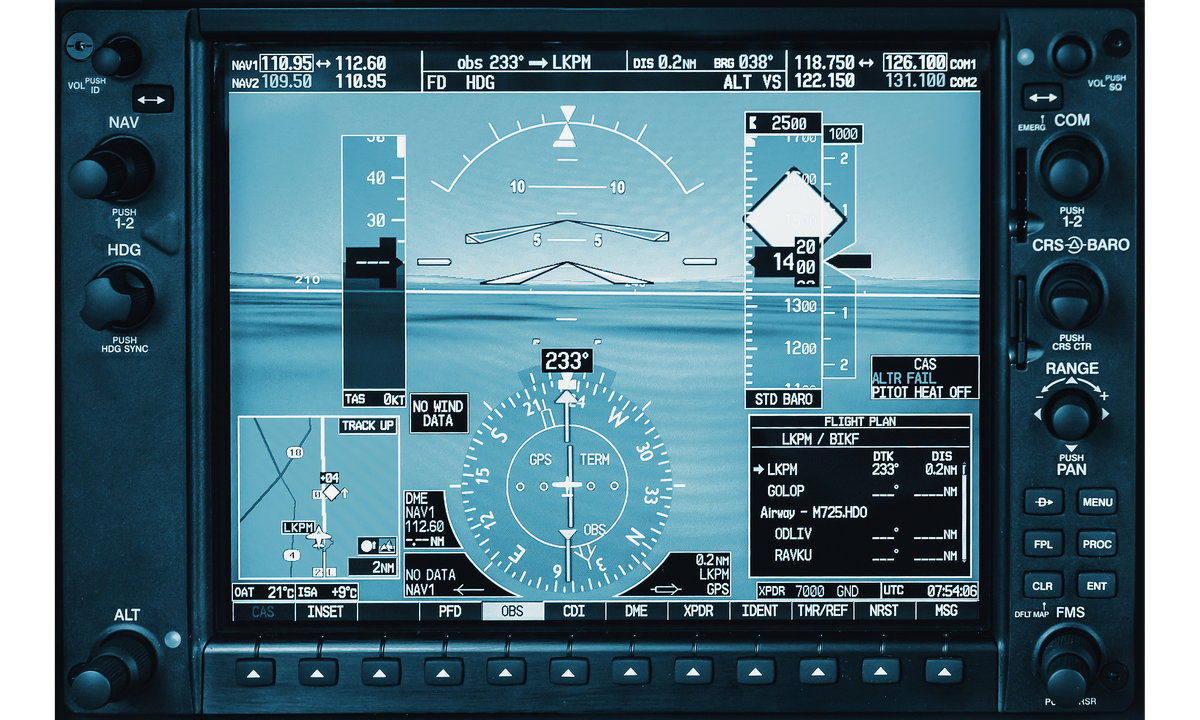
04 / 06
Alternate Static Source Check:
- While in flight, switch to the alternate static source (if your aircraft has one).
- Observe any changes in airspeed and altitude indications.
- If there’s a significant difference, it could indicate a leak in the primary static system.
05 / 06
Calculating Airspeed:
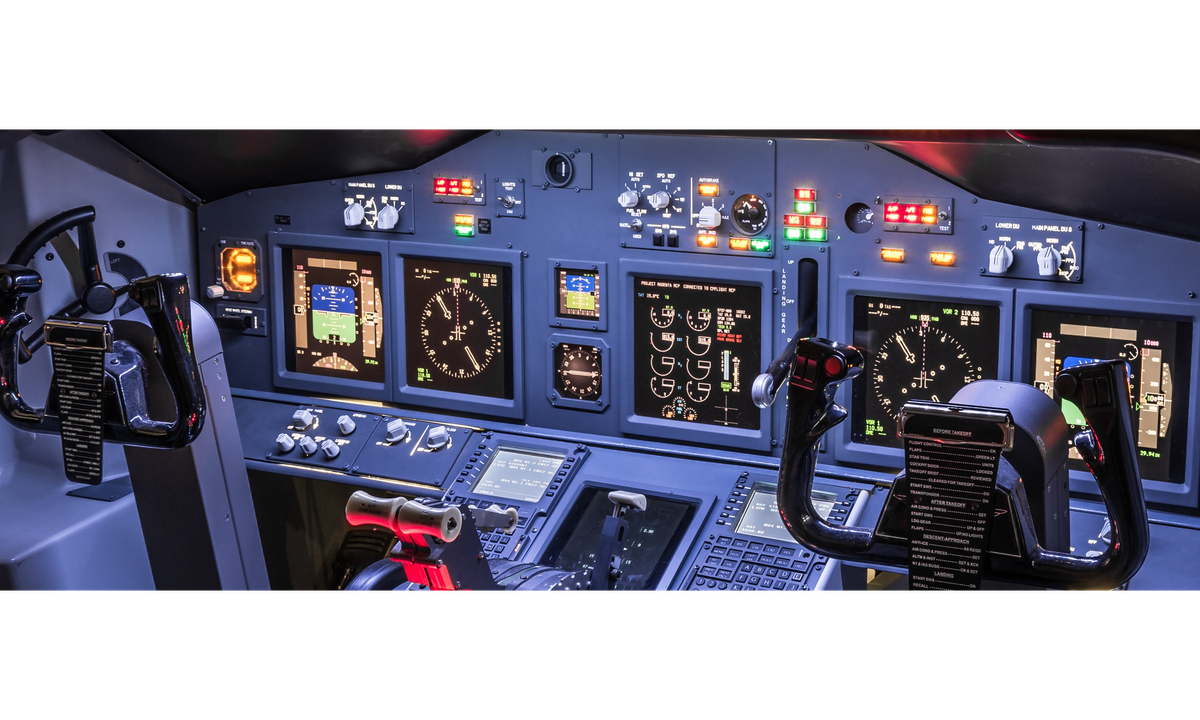
- The difference between dynamic pressure (from the pitot tube) and static pressure (from the static ports) is the pitot-static pressure differential.
- This differential pressure is used to calculate the aircraft’s airspeed.
- The airspeed indicator in the cockpit displays this calculated value.

06 / 06
Regular Maintenance:
- Schedule routine inspections to ensure the pitot-static system remains leak-free.
- Address any issues promptly to maintain accurate instrument readings.
Remember that a properly functioning pitot-static system is critical for safe flight. Regular checks and vigilance are essential to prevent leaks and maintain accurate air data.
YOU MAY
ALSO LIKE.
Pitot-Static Tester
Model 6200
Non-RVSM pitot-static tester for Helicopters & GA (2-channel)
View product →Pitot-Static Tester
Model 6300
RVSM pitot-static tester for all aircraft types (2-channel)
View product →Pitot-Static Tester
Model 6600-NG
RVSM pitot-static tester for AoA / AoS / SmartProbe applications (3-channel)
View product →