

Laversab · Aviation
Aircraft Transponder Testing
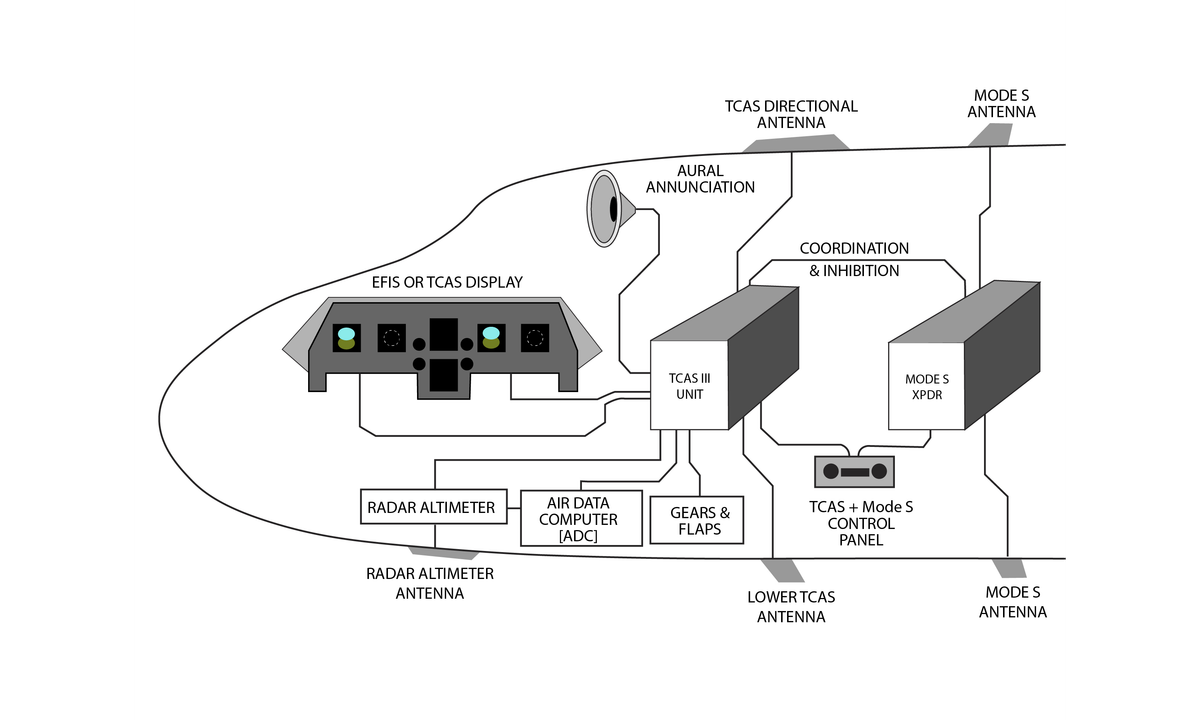
An aircraft transponder system is an electronic device that communicates with air traffic control radar systems.
01 / 05
Main Components:
- Transponder Unit: This is the main device installed in the aircraft’s cockpit, which encodes and transmits the squawk code and altitude information to air traffic control.
- Antenna: The transponder requires an antenna mounted on the outside of the fuselage to receive interrogation signals from radar and to transmit responses.
- Control Head: This is the interface in the cockpit through which the pilot can input the squawk code and control the transponder’s operating modes.
- Digitizer: This component converts analog signals into digital data that can be transmitted by the transponder.
02 / 05
Types of Transponders:
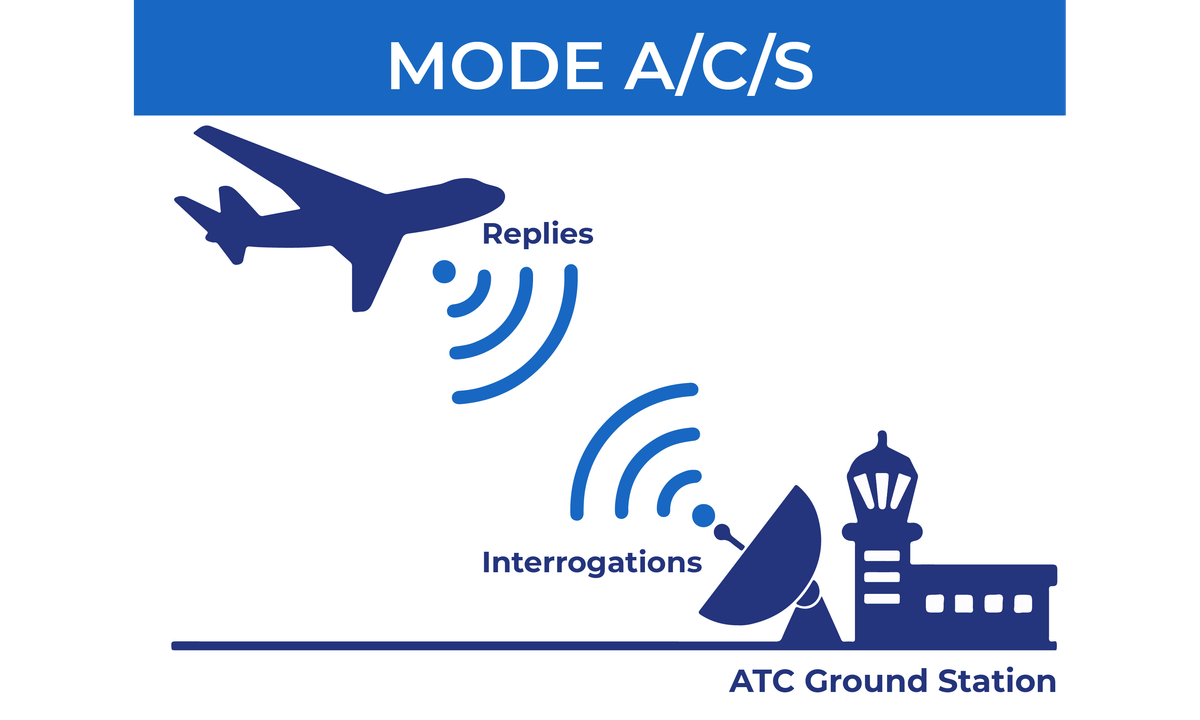
- Mode A Transponder: This is the most basic type, transmitting only a four-digit identifying code known as a squawk code.
- Mode C Transponder: A step up from Mode A, this transponder transmits both the squawk code and the aircraft’s pressure altitude information.
- Mode S Transponder: The most advanced type, Mode S transponders transmit the squawk code, altitude, and additional data such as the aircraft’s registration information and speed to air traffic control and other aircraft equipped with Mode S transponders.
03 / 05
ADSB (Automatic Dependent Surveillance-Broadcast):
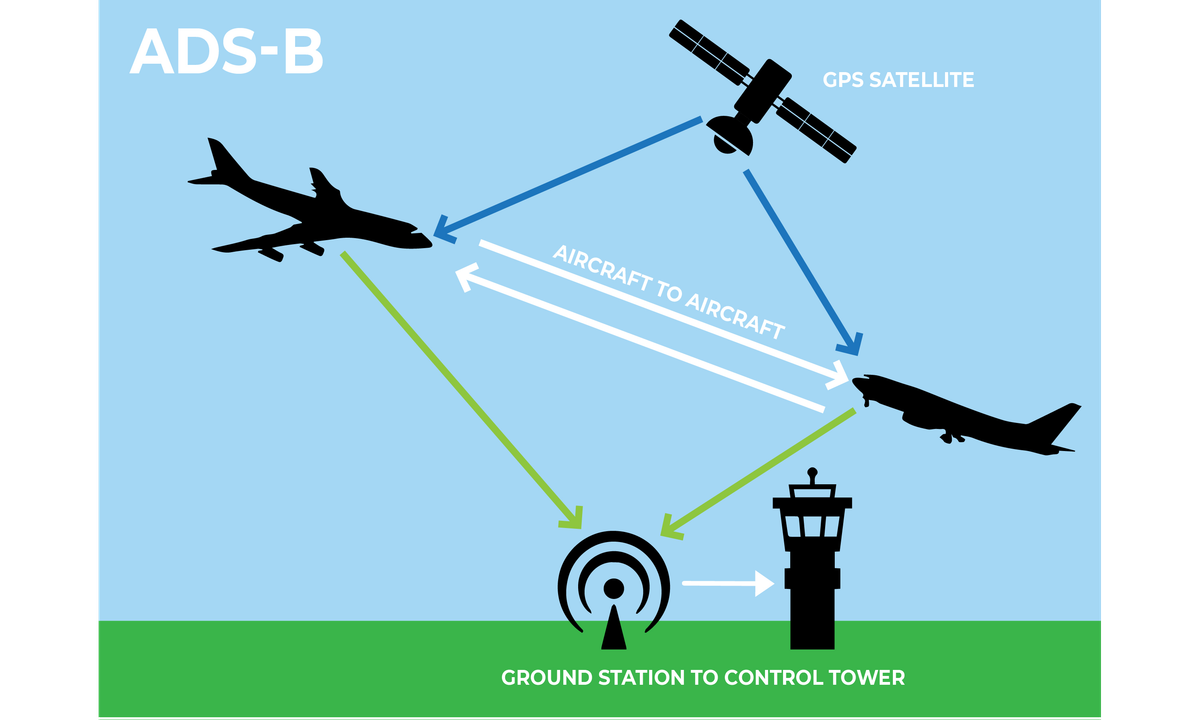
- Allows aircraft to determine their position via satellite and periodically broadcast this information.
- Allows aircraft to be tracked by ATC and other aircraft with ADS-B receivers.
- Enhances safety by providing real-time, precise location data for improved situational awareness.
04 / 05
UAT (Universal Access Transceiver):
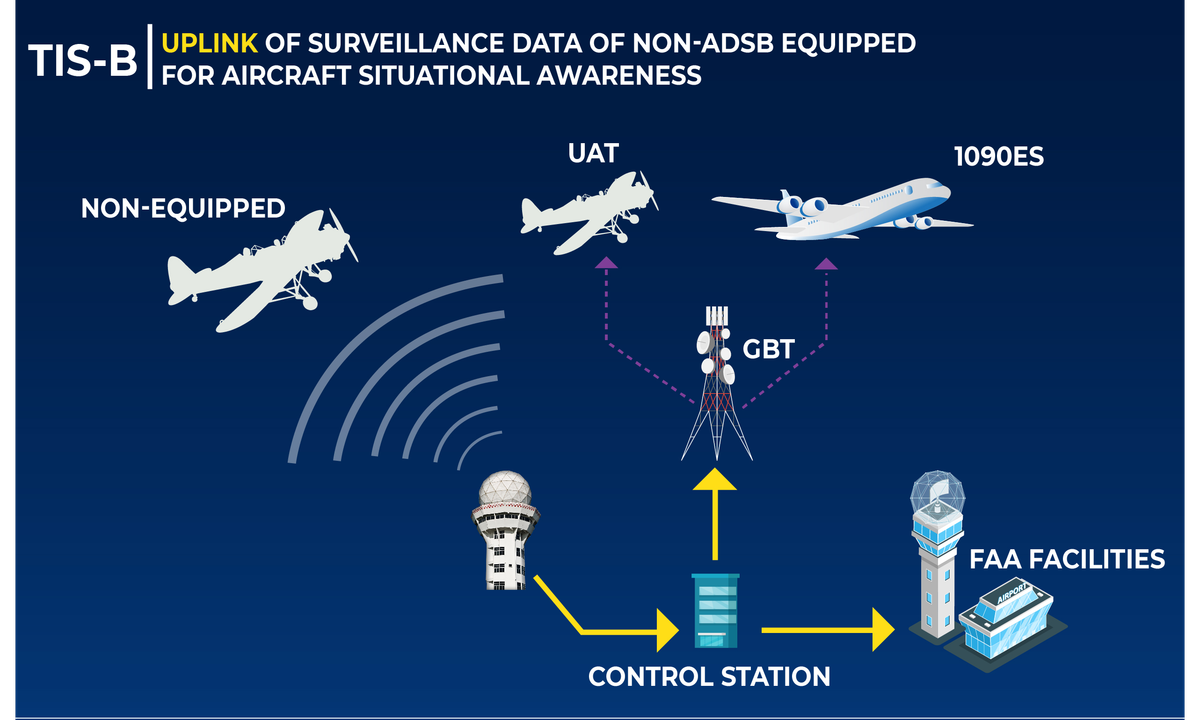
- Type of ADS-B system that operates on the 978 MHz frequency band.
- Used by aircraft flying below 18,000 feet in the USA.
- Capable of broadcasting precision location information for ATC and other aircraft.
- Capable of receiving similar information as well as weather and traffic information.
05 / 05
Functional Testing:
- Regularly testing the transponder systems of an aircraft is essential to its performance.
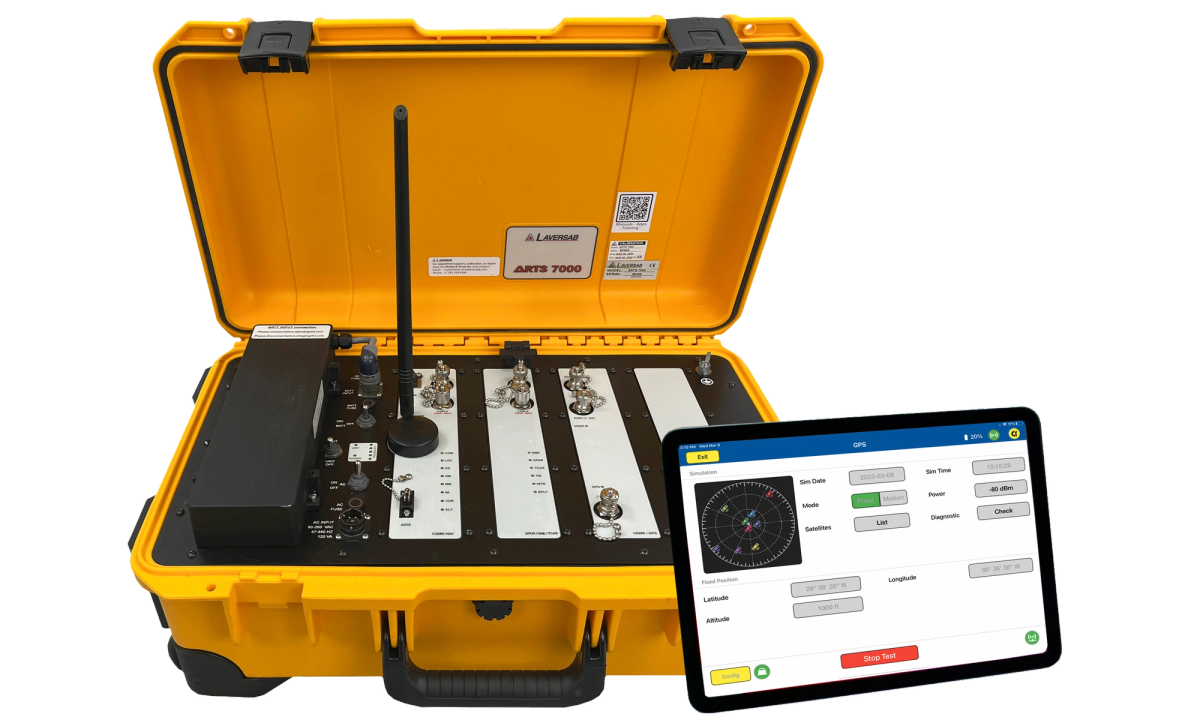
- Test systems like the ARTS-7000 can transmit radio signals to the aircraft under test that simulate ground stations, controllers, or other aircraft.
- These tests will ensure aircraft transponder systems are performing appropriately, whether they are transmitting or receiving information.
- GPS is widely used for both en-route and precision approaches.
Remember that these transponder systems work together to maintain safety, coordination, and efficient air travel. Regularly testing these systems is critical to a safe aircraft operation.
YOU MAY
ALSO LIKE.
Avionics Radio Test Set ARTS-7000
ARTS -7000
All-in-one Communication, Navigation, Surveillance avionics radio tester
View product →Pitot-Static Tester
Model 6300
RVSM pitot-static tester for all aircraft types (2-channel)
View product →Pitot-Static Tester
Model 6600-NG
RVSM pitot-static tester for AoA / AoS / SmartProbe applications (3-channel)
View product →