

Aircraft Pitot-Static Checks
The aircraft pitot-static system provides essential airspeed and altitude information for safe flight. The sections below explain how the system works and how to test an aircraft pitot-static system, including leak testing, static system testing, and pitot-tube testing.
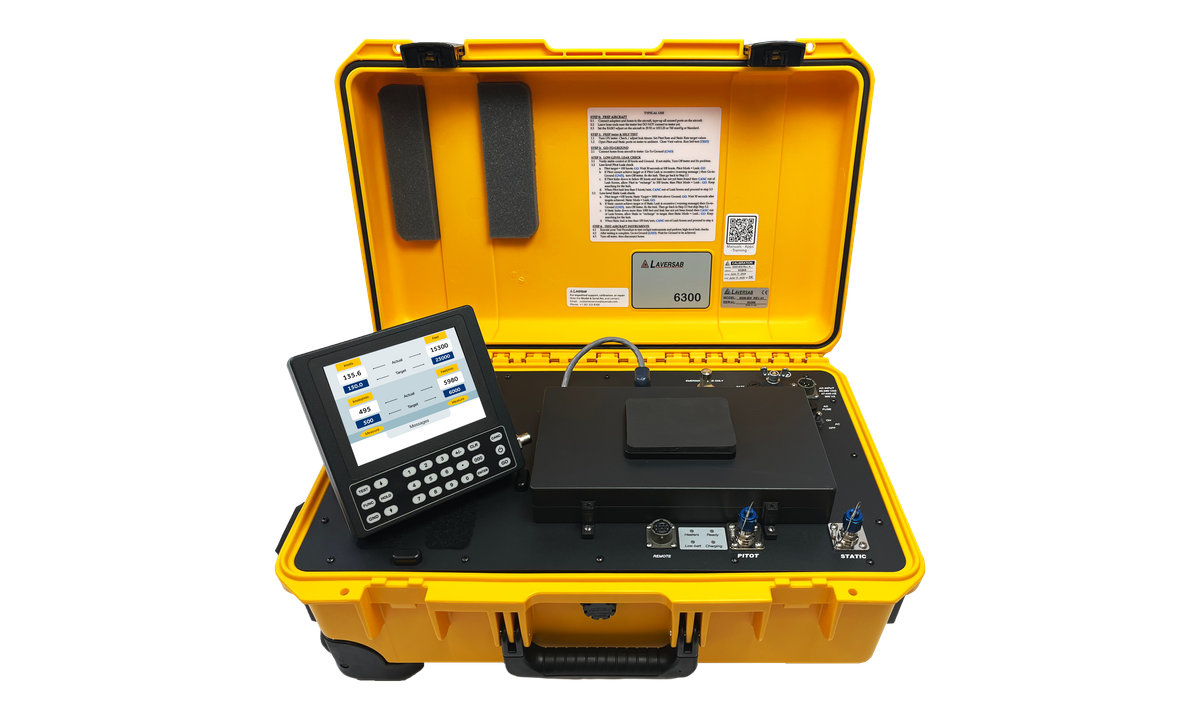
Most Laversab Pitot-Static Testers are designed for aircraft pitot-static and RVSM testing. For technicians looking for a 91.411 tester or Part 43 Appendix E tester, Laversab can help identify the right test equipment for the aircraft and application.
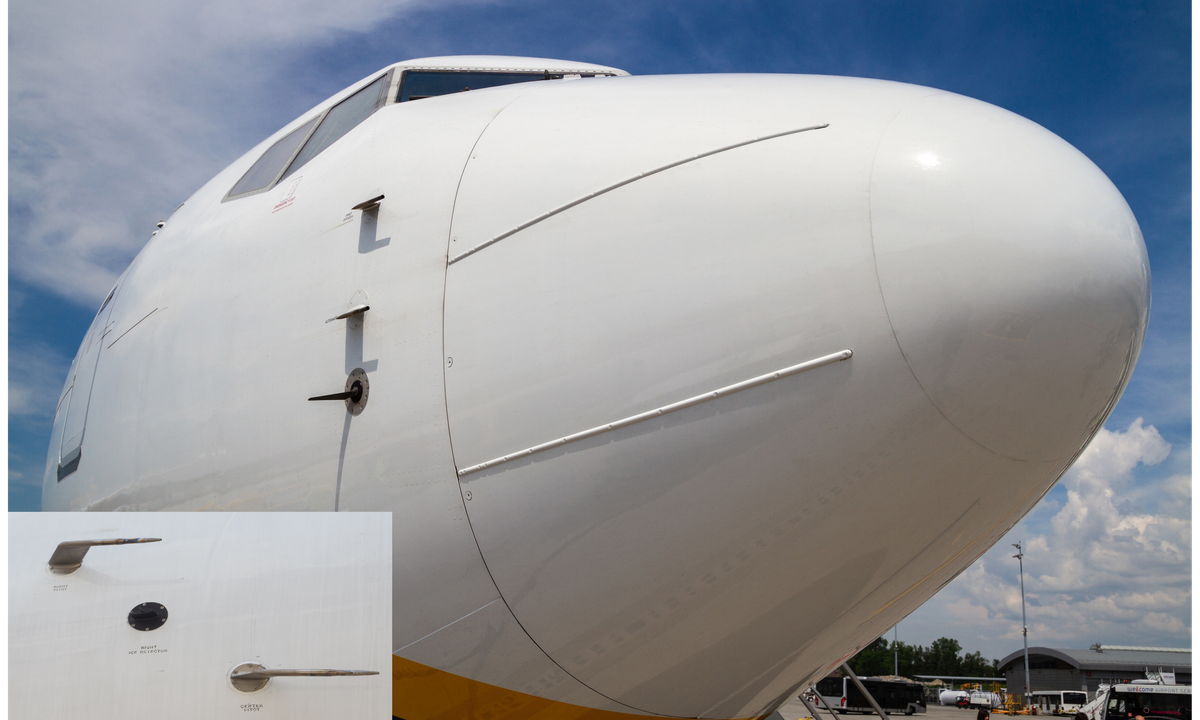
Pitot Tube:
- The pitot tube is mounted on the aircraft’s exterior, typically on the wing or fuselage.
- It faces into the relative wind, the direction of oncoming air.
- The tube has a small opening that allows impact air pressure, also known as ram air pressure, to enter.
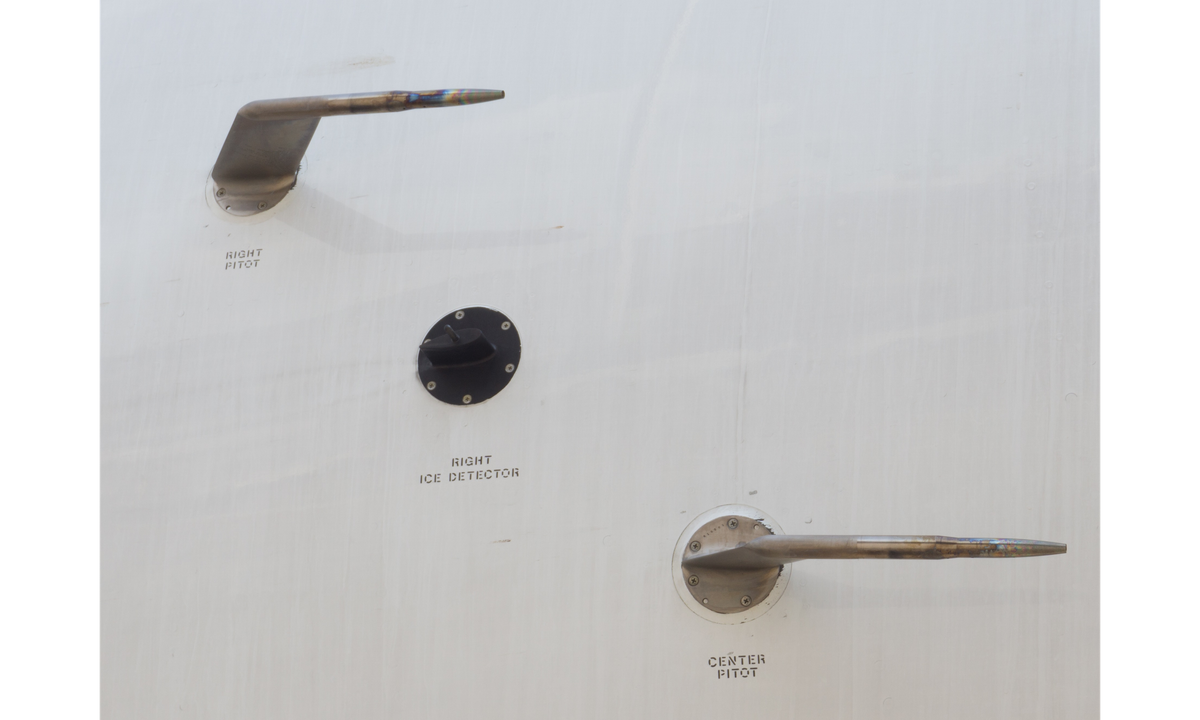
Static Ports:
- The static ports are attached to the aircraft’s fuselage.
- These ports capture static air pressure, which remains relatively constant regardless of the aircraft’s motion.
- Static ports are usually located away from areas with airflow disturbances, such as near the wingtips.
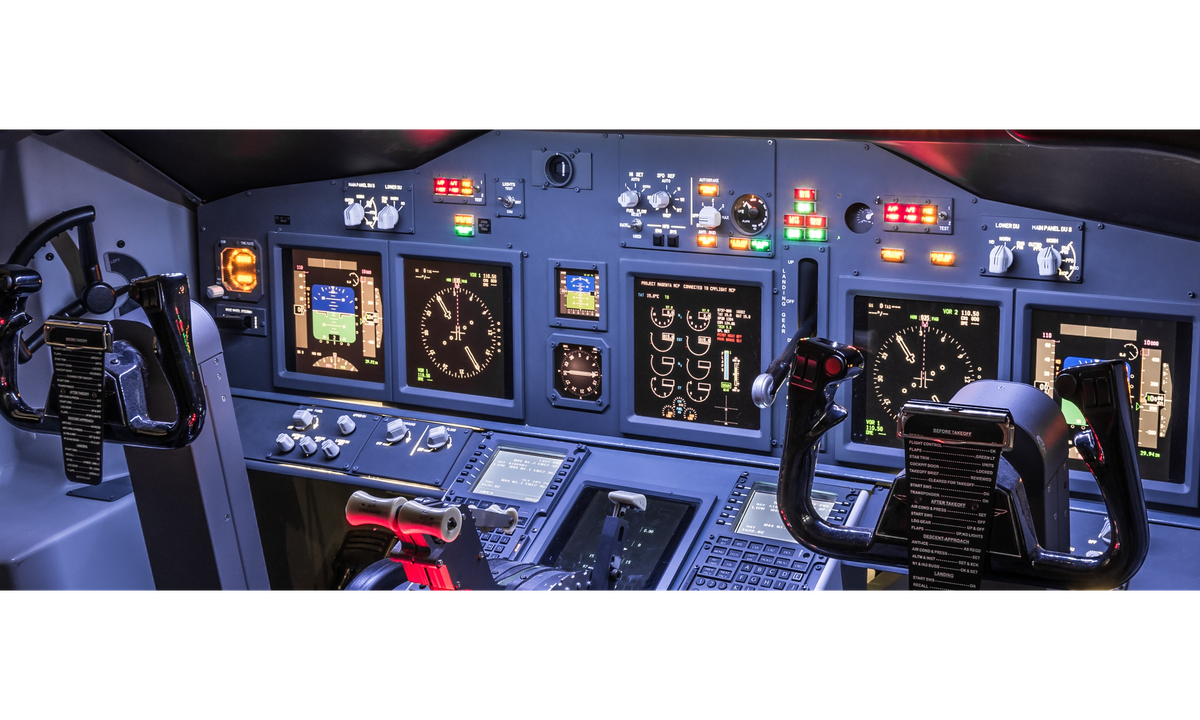
Pressure Differential:
- As the aircraft moves through the air, the pitot tube captures the dynamic pressure caused by oncoming air.
- This dynamic pressure increases with the aircraft’s speed.
- The static ports provide a reference for ambient static pressure.
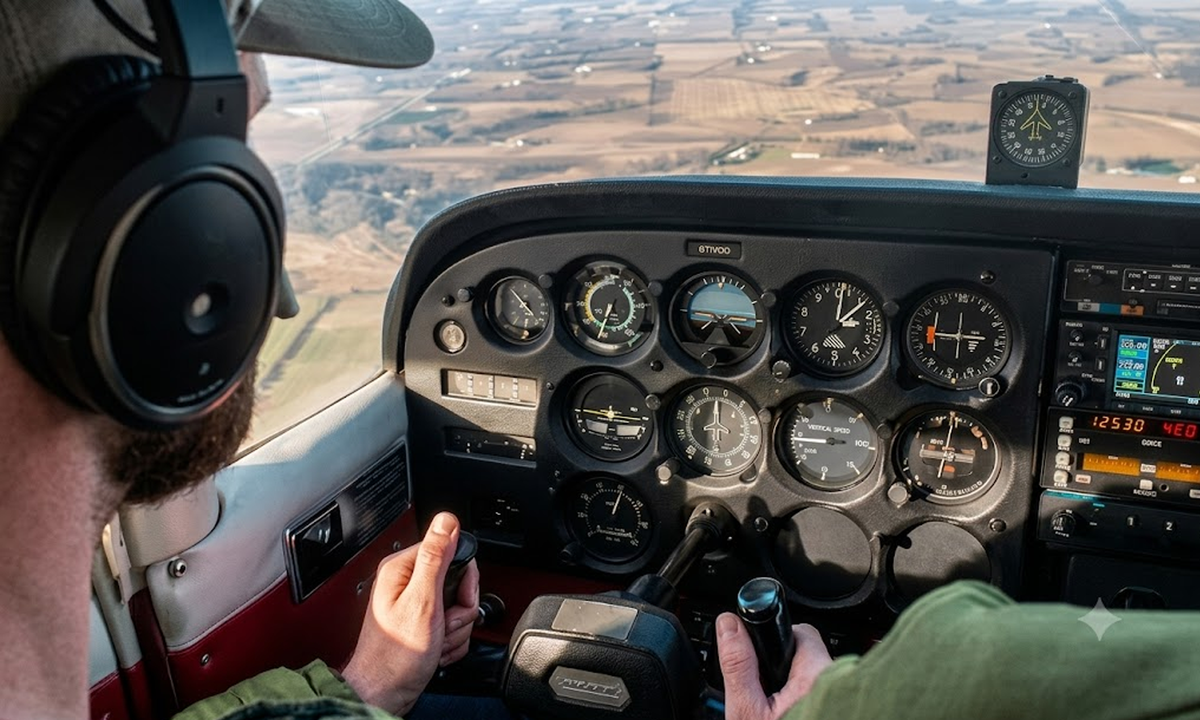
Calculating Airspeed:
- The difference between dynamic pressure from the pitot tube and static pressure from the static ports is the pitot-static pressure differential.
- This differential pressure is used to calculate the aircraft’s airspeed.
- The airspeed indicator in the cockpit displays this calculated value.
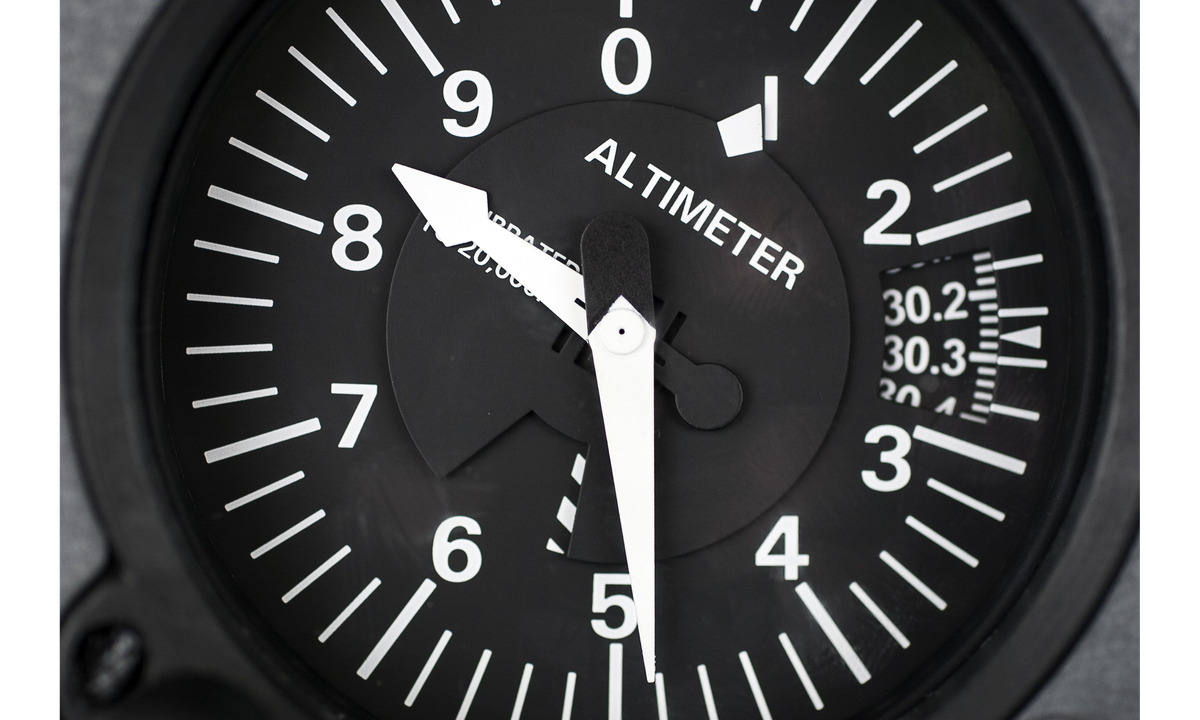
Calculating Altitude:
- The static pressure from the static ports determines the aircraft’s altitude.
- The altimeter measures the difference between ambient static pressure and a standard pressure at sea level.
- As the aircraft climbs or descends, the altimeter adjusts accordingly.
Pre-Flight Inspection:
- Visually inspect the pitot tube and static ports for blockages, damage or debris.
- Ensure secure connections and fittings.
Leak Testing:
- Confirm that the pitot and static systems are leak-free.
- Pressurize the pitot system and create a vacuum in that static system. This can be done with a Laversab Pitot-Static Tester and aircraft adapters.
Static System Test:
- Connect a Laversab Pitot-Static Tester through aircraft adapters to the static port.
- Simulate various altitudes to test the system’s accuracy.
Pitot-Tube Test:
- Connect a pitot-static tester to the pitot tubes through aircraft adapters. Depending on the aircraft, there may be more than one pitot tube.
- Use the pitot-static tester to create a pressure differential between the ram pressure and static pressure. This will simulate airspeed.
- Blockages due to FOD, insects, or ice can affect accuracy.
- Consult the aircraft’s manual for error correction.
Remember, a well-maintained pitot-static system ensures safe and precise flight. Regular inspections and adherence to guidelines are essential.
YOU MAY
ALSO LIKE.
Model 6200
Non-RVSM pitot-static tester for Helicopters & GA (2-channel)
View product →Model 6300
RVSM pitot-static tester for all aircraft types (2-channel)
View product →Model 6600-NG
RVSM pitot-static tester for AoA / AoS / SmartProbe applications (3-channel)
View product →