

Laversab · Aviation
Aircraft TCAS Testing
The Traffic Collision Avoidance System (TCAS) operates independently from air traffic control and uses transponder signals from nearby aircraft to alert pilots to potential mid-air collisions. We dive into the TCAS system and explain how it can be tested:
01 / 03
Main Components:
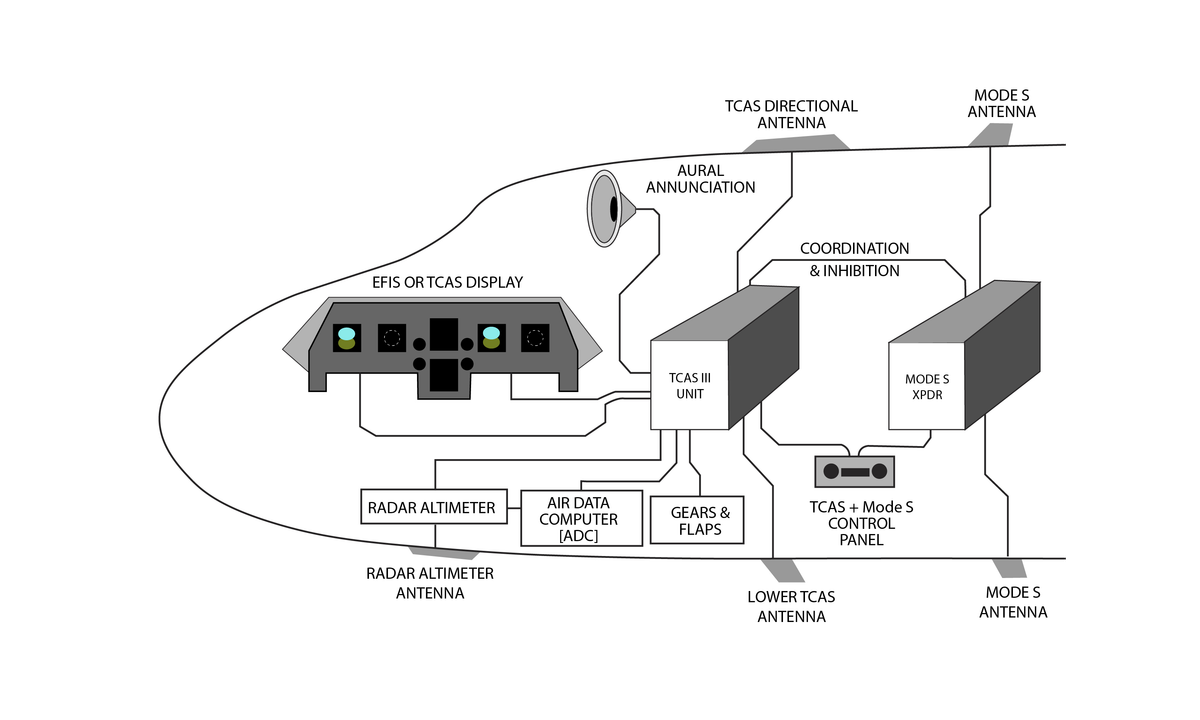
- TCAS Computer Unit: This unit performs airspace surveillance, intruder tracking, its own aircraft altitude tracking, threat detection, resolution advisory (RA) maneuver determination and selection, and generation of advisories.
- TCAS Antennae: Typically, there are two antennae used to send and receive transponder signals from other aircraft.
- Transponder: Works in conjunction with the TCAS to provide the relative position of other aircraft.
- Display System: A visual and aural system that alerts pilots to potential threats and suggests evasive maneuvers.
02 / 03
How a TCAS System Works:
- After receiving transponder signals from nearby aircraft, the TCAS system constructs a 3-D map of the airspace.
- With surrounding aircraft, the TCAS system will provide a Traffic Advisory.
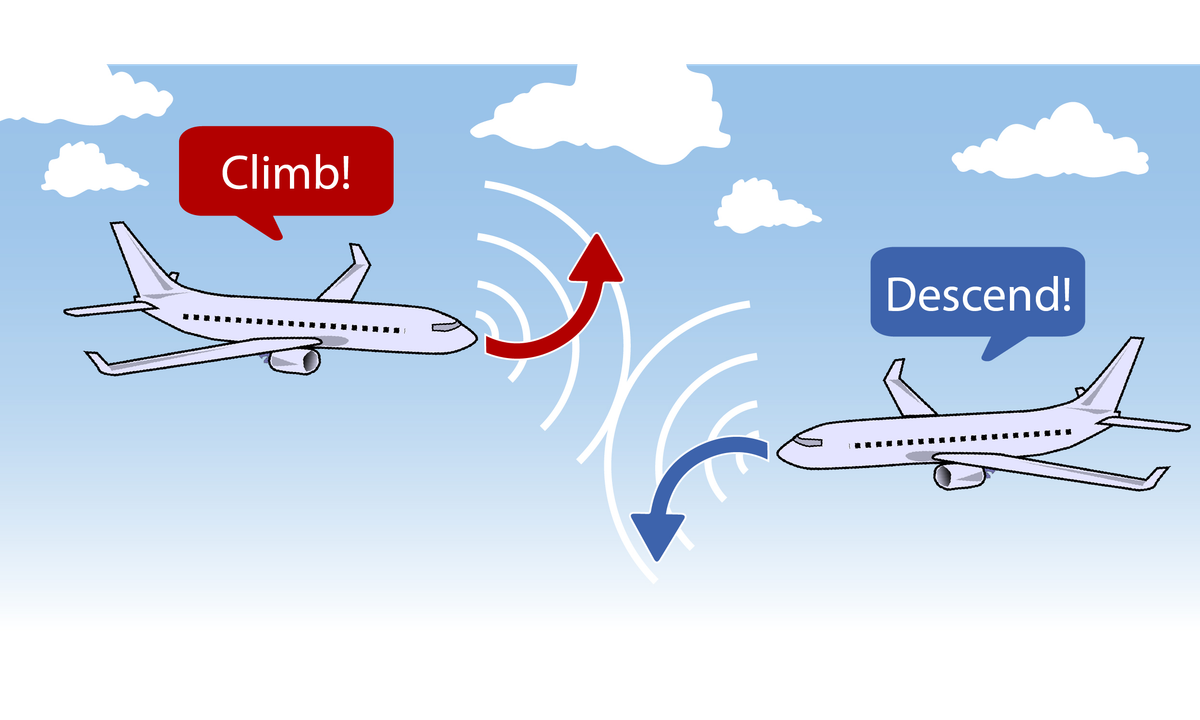
- If a potential collision is detected, TCAS will present an audible and visual notification to the pilots.
- The TCAS system will tell the pilot to climb or descend to avoid a collision. This is known as a Resolution Advisory.
03 / 03
Traffic Advisory (TA):
- Traffic Advisories alert the flight crew to nearby aircraft that may become a threat.
- TA alerts increase situational awareness and allow pilots to visually acquire traffic.
- A Traffic Advisory does not provide an avoidance maneuver.
- Pilots are expected to monitor surrounding traffic and prepare for possible Resolution Advisories.
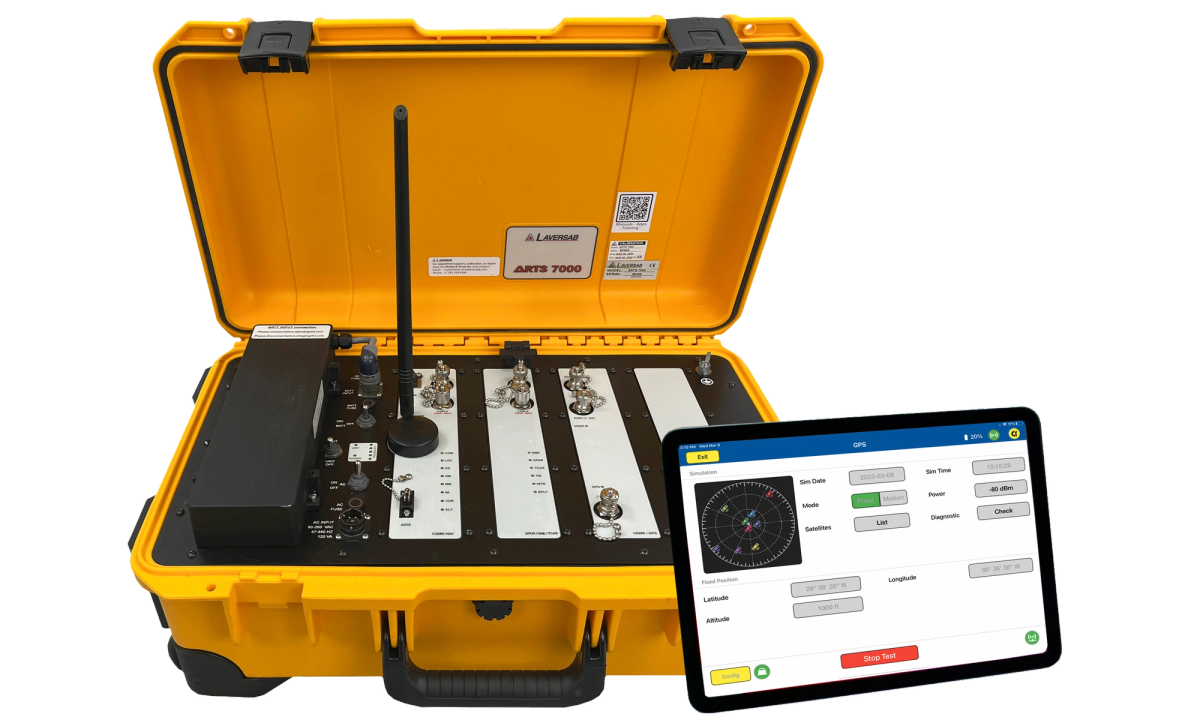
Remember that the TCAS system is important to maintain safe and efficient air travel, especially in congested air space. Regularly testing this system is critical to a safe aircraft operation.
YOU MAY
ALSO LIKE.
Avionics Radio Test Set ARTS-7000
ARTS -7000
All-in-one Communication, Navigation, Surveillance avionics radio tester
View product →Pitot-Static Tester
Model 6300
RVSM pitot-static tester for all aircraft types (2-channel)
View product →Pitot-Static Tester
Model 6600-NG
RVSM pitot-static tester for AoA / AoS / SmartProbe applications (3-channel)
View product →